The Badajoz institute that improves the ecosystem with AI
IES Castelar coordinates the KA220- IA4GreenEdu project ‘Artificial inteligence for environmental learning’, endowed with 250,000 euros of European funds.
The objective is to take advantage of artificial intelligence to benefit the environment.
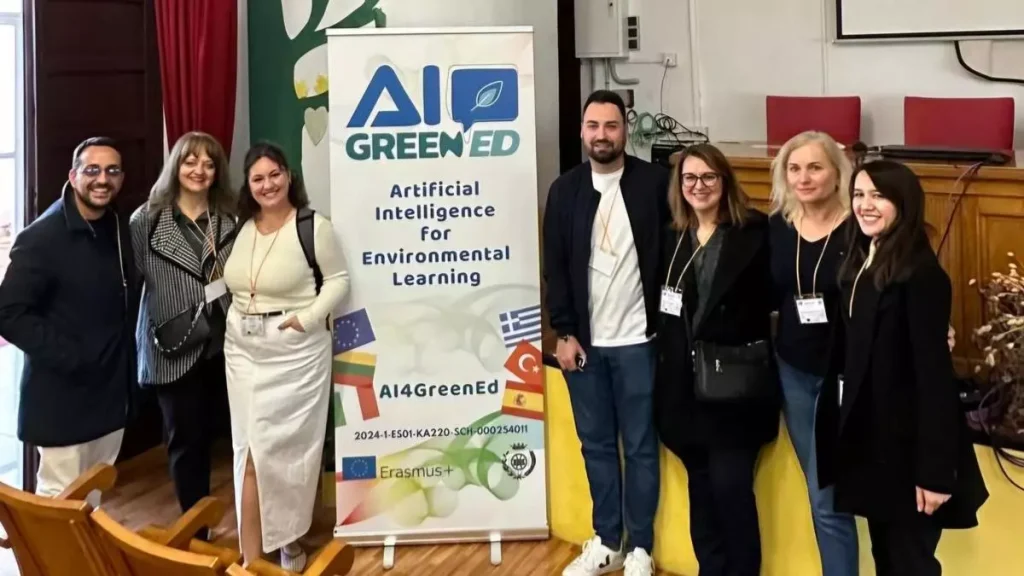
An international project on how to improve our ecosystem through artificial intelligence. The Castelar Institute, together with educational centers and companies from Italy, Turkey, Lithuania and Greece, has launched KA220- IA4GreenEdu ‘Artificial intelligence for environmental learning’. The initiative seeks to leverage AI to foster sustainable development that benefits the environment.
“This is the largest project we have worked on,” explained Francisco Pajuelo, teacher and main coordinator of the project at Castelar High School.
The initiative has a duration of two years, is divided into several phases and involves 18 students from each country. In total, it has received a grant of 250,000 euros from European funds. “The aim is to develop practical tools,” Pajuelo explained. Each participating country develops a tool to help improve the ecosystem. In the case of the Castelar Institute, the idea is to develop an “intelligent” waste garbage can that “recognizes a bottle or a carton and automatically recycles it to the correct container”.
The first contact with this initiative was in November 2023, as a result of a group of Erasmus projects on Facebook. “Through this social network there are groups of people looking to cooperate in this type of initiatives, searching for topics I found a woman from Turkey who was requesting a coordinator for a project related to AI. I talked to her and we started to build it”, explained Francisco Pajuelo. The current head of the project said that the center “usually gets involved” in international programs, and since he has a PhD in artificial intelligence, “he was looking for a proposal related to his area of study”.
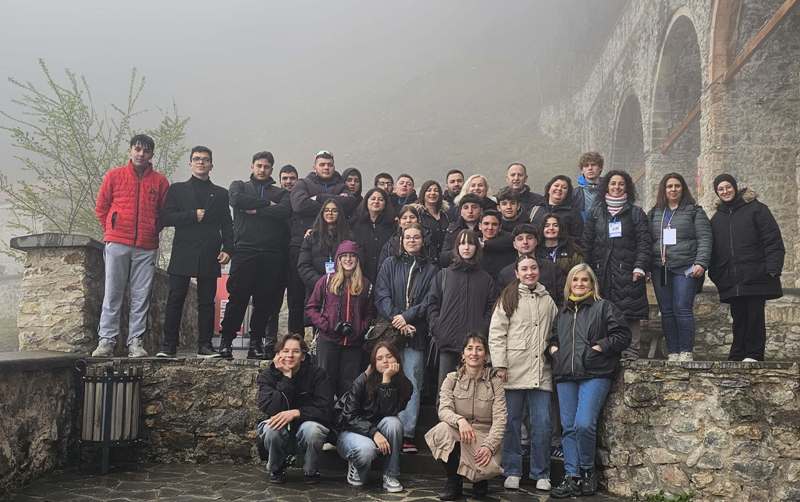
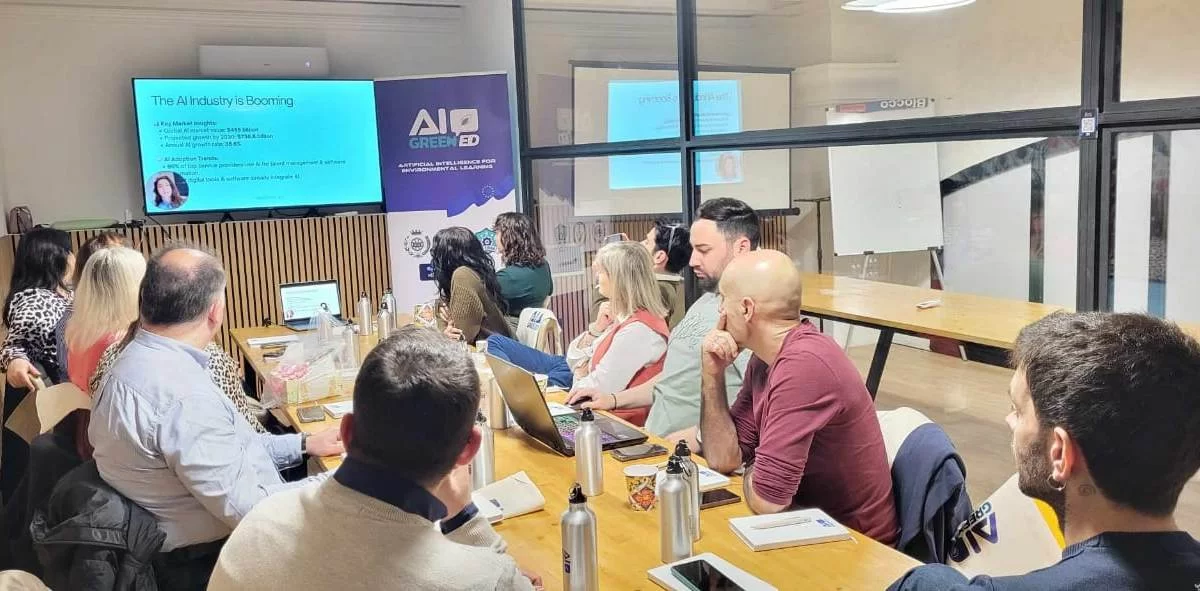
The first country to join KA220- IA4GreenEdu was Turkey. It was followed by Spain and then Italy and Greece. In November last year, the first coordination meeting took place in Badajoz, where the heads of each country met for three days to define the lines of action. Subsequently, this February, the team moved to Palermo, Italy, where experts in artificial intelligence gave workshops and talks.
International mobility
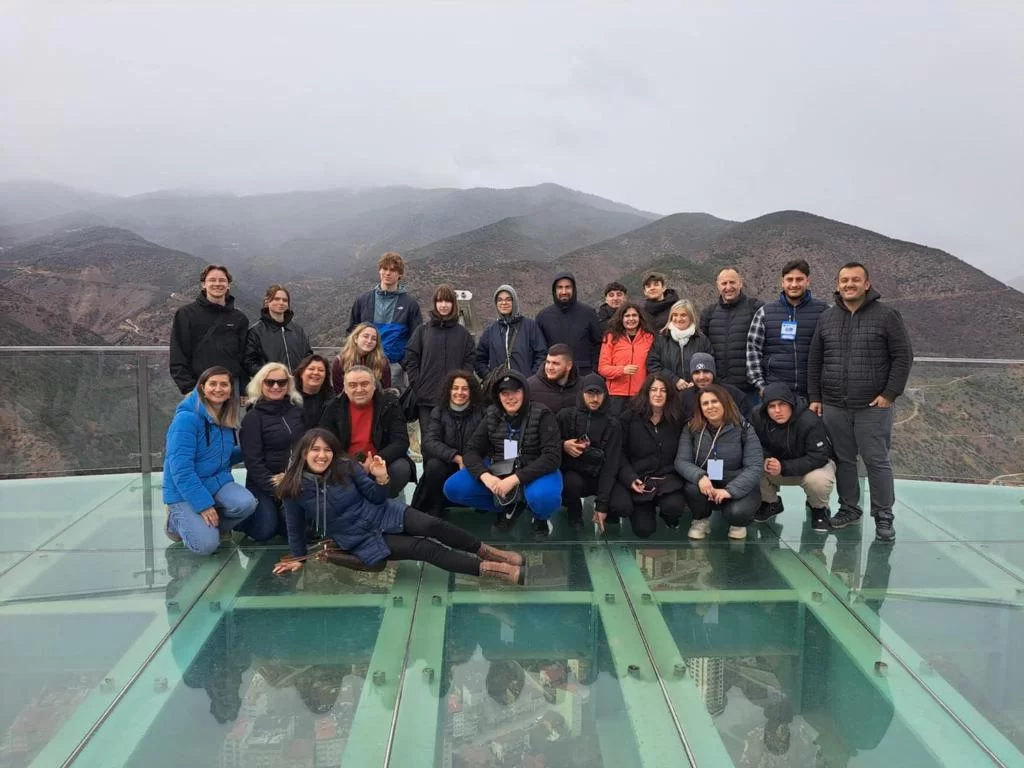
International mobility is one of the pillars of the initiative. In the next phase, students and teachers will travel to Turkey to live with Turkish students and learn about AI tools through lectures and practical activities. The agenda will continue with visits to Lithuania and Greece in November, concluding in March 2026 with a final day in Spain, where the prototypes developed by each center will be presented.
Alberto Morales, a first-year high school student, is one of the students from Badajoz participating in the project. His first mobility will be to Turkey. “We will not only learn about AI, but also improve our English, meet students from other countries and live in other cultures,” said the student. This student from Castelar High School has assured that at the center they are continuously learning about the benefits that new technologies can bring, in this case AI, a tool they are continuously working with. “It can help in many ways for a more sustainable future. For example, in agriculture with sensors for fire or for nocturnal animals that can damage livestock, or in homes to control gas rates,” explained Alberto.
European funds
The project has been endowed with 250,000 euros from Europe. A considerable amount that Pajuelo as coordinator “did not expect”. “When we saw that it had been accepted I didn’t believe it, it was a lot of money and I doubted whether they were going to give us the grant,” he said. The first part of the grant, 100,000 euros, has already been received by the institute. “It is a large-scale project and we are the only ones in Badajoz that are developing it,” added Pajuelo. The proposal took “some time to develop”. It was submitted in 2024, finally approved in September of this year. It included more than 100 pages with information on the objectives of the Erasmus plan and justification of expenses.
Original article HERE.